





A seat at the table
This month I had the honor of being invited to the White House alongside leaders from across the housing industry, at the invitation of the Manufactured Housing Institute (MHI). It was a room full of builders, lenders, policymakers, and advocates, all focused on the same question: how do we get more Americans into homes they can actually afford?
I left with a clear conviction.
No single way of building will solve the affordability crisis on its own. It will take every tool we have: site-built, modular, manufactured, and everything in between. And every one of those homes, however it is built, needs the same thing first. It needs land.
More ways to build than ever
One of the most encouraging things about this moment is how many options builders now have. Site builders keep finding new ways to deliver quality homes more efficiently. Factory-built and manufactured housing adds another path, with controlled production, predictable schedules, and less waste.
These approaches are not competitors so much as complements. The best builders are choosing the right product for the right market, and a wider range of options means more homes can pencil in more places.
New rules, new options
Recent HUD code changes are expanding that toolkit even further. Multi-story manufactured homes are now allowed. I toured one, and I'll admit it: once you're inside, you cannot tell it apart from a site-built home. My mind was blown.
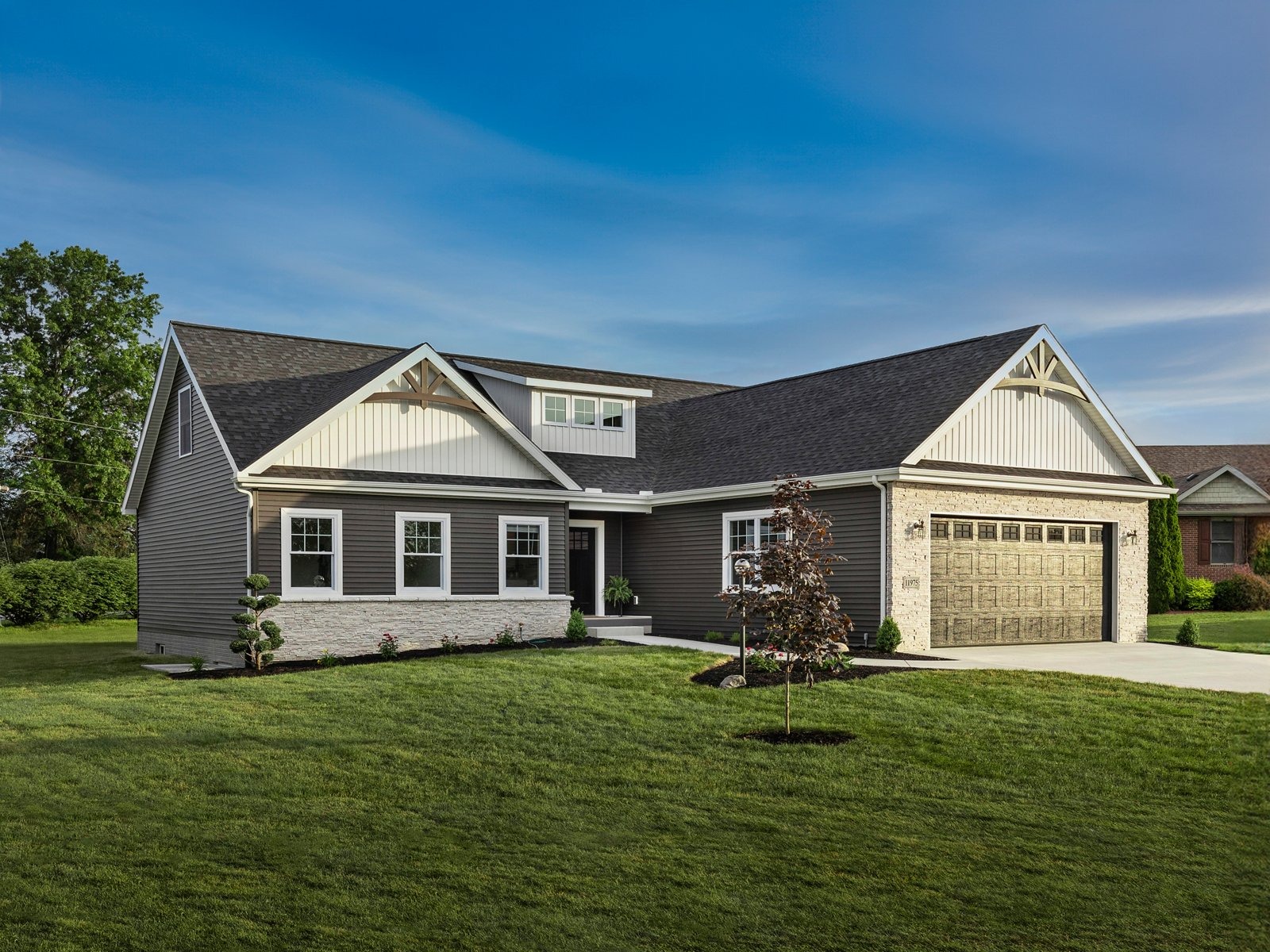
The long-standing requirement for a permanent steel chassis on upper floors has also been removed. That sounds technical, but it means true two-story homes that sit lower to the ground and fit comfortably alongside the houses around them.
For builders and developers, that is one more option to consider in traditional neighborhoods and in higher-cost urban and suburban markets.
Land is what every home has in common
Here is the part of the affordability conversation that doesn't get enough attention. However a home is built, it still needs a parcel where it is allowed to go, and finding that parcel is often the slowest, riskiest step in the whole process.
Local zoning and land-use rules vary enormously from one jurisdiction to the next. Manufactured housing is a clear example. In some places it is permitted outright. In others it is banned. In many more it is effectively "shadow banned": technically allowed on paper, but blocked in practice by minimum size rules, design standards, restrictive districts, or lengthy special approvals.
That patchwork affects every builder, whatever they build. It slows site selection, adds risk to every deal and pushes good projects toward the few markets where the path is clear. If we want more homes at more price points, we have to make finding and entitling land far more efficient.
Where Prophetic fits in
At Prophetic, we are the intelligence layer for land acquisition and development. Our mission is to help more homes get built, in the right places, faster, whatever kind of homes they are.
That means turning scattered, hard-to-read information about parcels, zoning, and entitlements into clear answers. Where can this product go? What will it take to get approved? Which markets are opening up as the rules change? When builders and developers can answer those questions in minutes instead of months, capital moves to the right sites and more homes reach the families who need them.
The industry has more ways to build than ever. Our job is to help it find the land to build on.
Gratitude, and an invitation
A sincere thank you to Dr. Lesli Gooch, CEO of MHI, and her team for the invitation and for their tireless advocacy on behalf of the industry. MHI's work with policymakers, including on reforms like the chassis rule, is moving the needle for millions of Americans looking for an attainable path to homeownership.
Thank you as well to Secretary Scott Turner and Deputy Secretary Andrew Hughes at the U.S. Department of Housing and Urban Development for their work removing barriers to housing access.
Weeks like this are a reminder of how much momentum is behind this mission. To contribute to the conversation, our data team produced a national report on where manufactured housing is allowed, where it is banned outright and where it is shadow banned. If you would like a copy, reach out to our team and we will send it your way.
The building options are here. The rules are changing. Now let's find the land.